Psilocybin & Neuroplasticity: How Mushrooms Rewire the Brain — What the Science Says
Neuroplasticity — the brain's ability to reorganize itself by forming new neural connections — is one of the most exciting frontiers in neuroscience. And psilocybin, the active compound in psychedelic mushrooms, is emerging as one of the most potent catalysts for neuroplastic change.
## What Is Neuroplasticity?
Neuroplasticity refers to the brain's capacity to change its structure and function in response to experience, learning, or injury. It is how we form new habits, recover from brain injuries, and adapt to new environments. For decades, scientists believed adult brains were relatively fixed. We now know that is fundamentally wrong.
The brain remains plastic throughout life — and certain compounds can dramatically accelerate this process.
## The Psilocybin-Neuroplasticity Connection
In 2023, researchers at Yale School of Medicine published a landmark study in Neuron demonstrating that a single dose of psilocybin increased dendritic spine density in the prefrontal cortex by approximately 10% within 24 hours. Dendritic spines are tiny protrusions on neurons where synapses form — more spines mean more connections, more neural communication, and greater cognitive flexibility.
What makes this finding remarkable is that these new connections persisted for at least a month after the single dose. This is in stark contrast to traditional antidepressants (SSRIs), which typically require weeks of daily use to begin working and whose effects fade rapidly upon discontinuation.
Dr. Alex Kwan, senior author of the Yale study, noted: 'We not only saw a 10 percent increase in the number of neuronal connections, but also they were on average about 10 percent larger, so the connections were stronger as well.'
## How Psilocybin Works in the Brain
Psilocybin is converted to psilocin in the body, which primarily acts on serotonin 5-HT2A receptors. This activation triggers a cascade of downstream effects:
**1. Default Mode Network (DMN) Disruption:** The DMN is the brain network associated with self-referential thinking, rumination, and the ego. Psilocybin temporarily reduces DMN activity, allowing regions of the brain that don't normally communicate to form new connections. Researchers call this 'entropic brain' state — a temporary increase in neural complexity that enables fresh patterns of thought.
**2. BDNF Release:** Psilocybin stimulates the release of Brain-Derived Neurotrophic Factor (BDNF), often called 'Miracle-Gro for the brain.' BDNF promotes the growth and survival of neurons and is critical for learning, memory, and mood regulation.
**3. Glutamate Surge:** Psilocybin increases glutamate transmission in the prefrontal cortex, the brain region responsible for executive function, decision-making, and emotional regulation. This glutamate burst may be a key mechanism driving the structural changes observed in neuroimaging studies.
## Clinical Evidence: Depression, PTSD, and Beyond
**Johns Hopkins University:** In their Phase II trial, published in JAMA Psychiatry (2020), 71% of participants with treatment-resistant depression showed clinically significant improvement after two psilocybin sessions, with 54% achieving full remission at 4-week follow-up.
**Imperial College London:** The Centre for Psychedelic Research found that psilocybin therapy was at least as effective as escitalopram (a leading SSRI) for moderate-to-severe depression, with faster onset and fewer side effects. Crucially, fMRI imaging showed increased brain connectivity in the psilocybin group — the neural correlates of therapeutic benefit.
**NYU Langone:** Their landmark study on existential distress in terminal cancer patients found that a single high-dose psilocybin session produced rapid, substantial, and sustained decreases in anxiety and depression. At 6-month follow-up, 80% of participants still showed clinically significant reductions in distress.
## Microdosing and Sustained Neuroplasticity
While most clinical research uses moderate to high doses, emerging evidence suggests microdosing (0.1-0.3g psilocybin) may also promote neuroplasticity through similar mechanisms at sub-perceptual levels.
A 2022 study in Translational Psychiatry found that repeated low doses of psilocybin in animal models increased dendritic complexity and improved fear extinction learning — a process relevant to PTSD recovery. The authors proposed that microdosing creates a 'window of plasticity' during which the brain is more receptive to positive change.
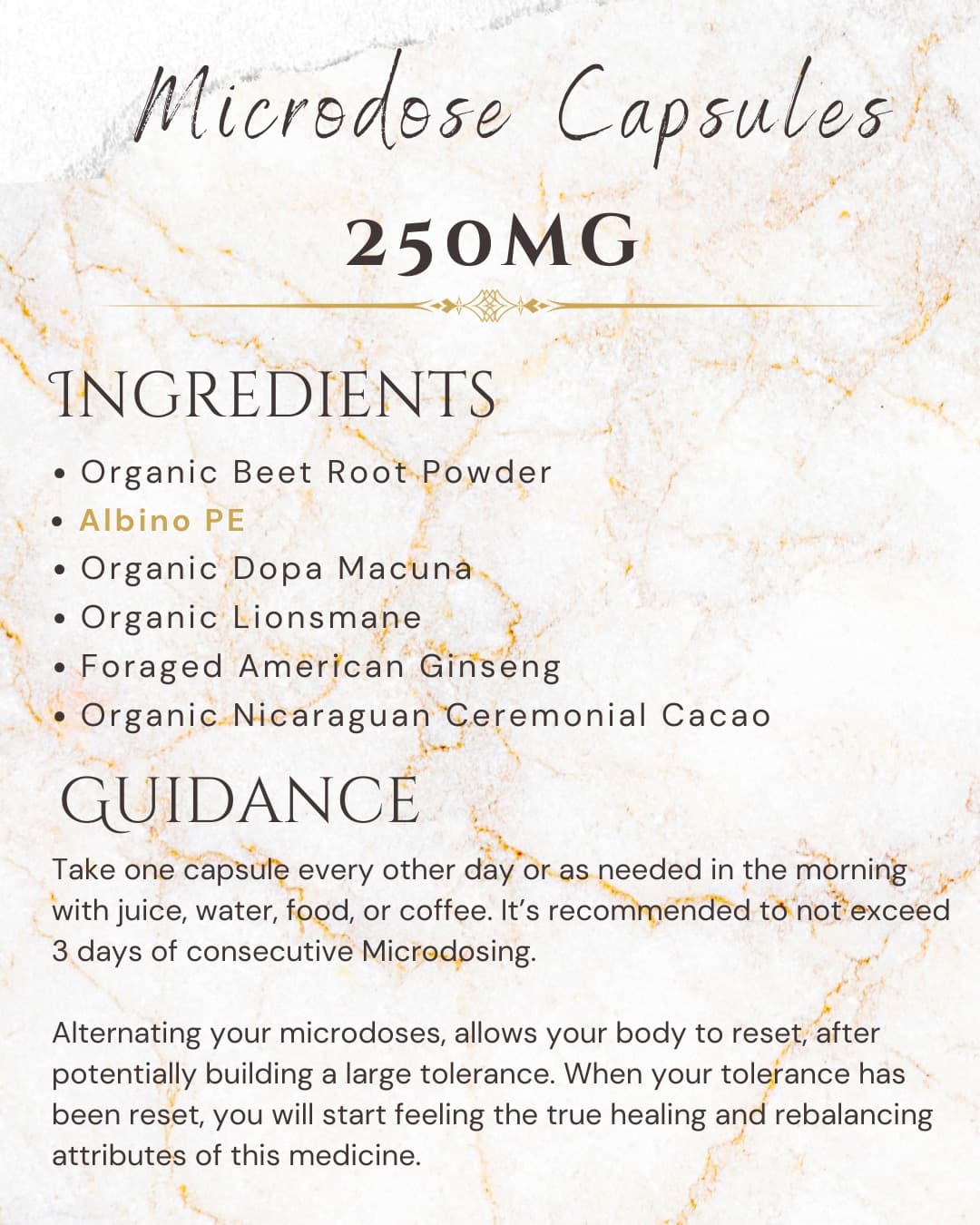
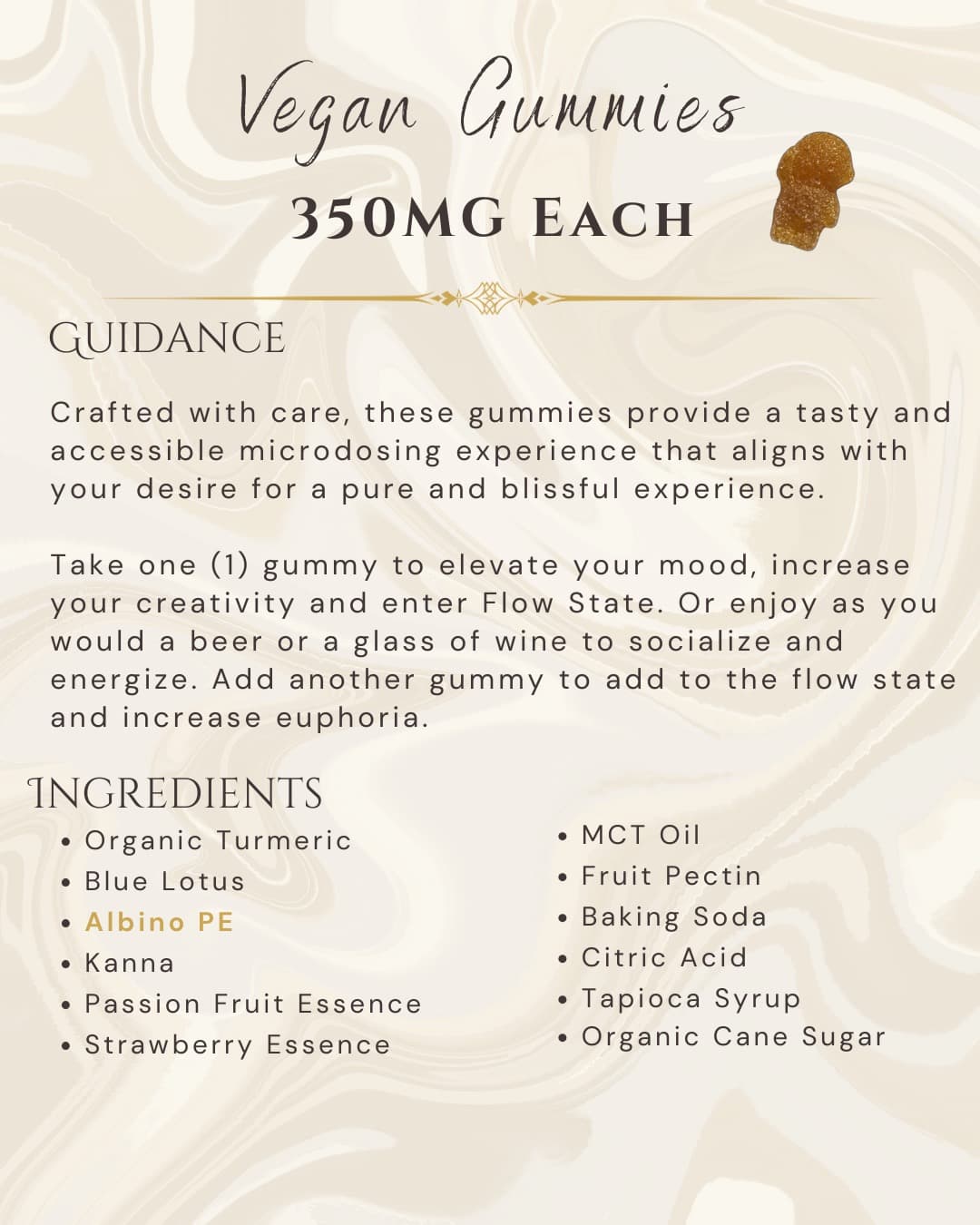
Our Serenity capsules (250mg) and Flowstate gummies (350mg) are designed specifically for this purpose — providing consistent, precisely-dosed psilocybin to support your microdosing protocol.
## The Future of Psilocybin Neuroscience
Psilocybin is currently in Phase III clinical trials for treatment-resistant depression (funded by COMPASS Pathways) and has received FDA 'Breakthrough Therapy' designation — a status reserved for drugs that show substantial improvement over existing treatments.
As the research continues to accumulate, the message is increasingly clear: psilocybin doesn't just alter consciousness temporarily — it physically rewires the brain in ways that promote mental health, cognitive flexibility, and emotional resilience.
---
References: Shao et al., Neuron (2023); Davis et al., JAMA Psychiatry (2020); Carhart-Harris et al., NEJM (2021); Griffiths et al., J Psychopharmacology (2016); Ly et al., Cell Reports (2018).